

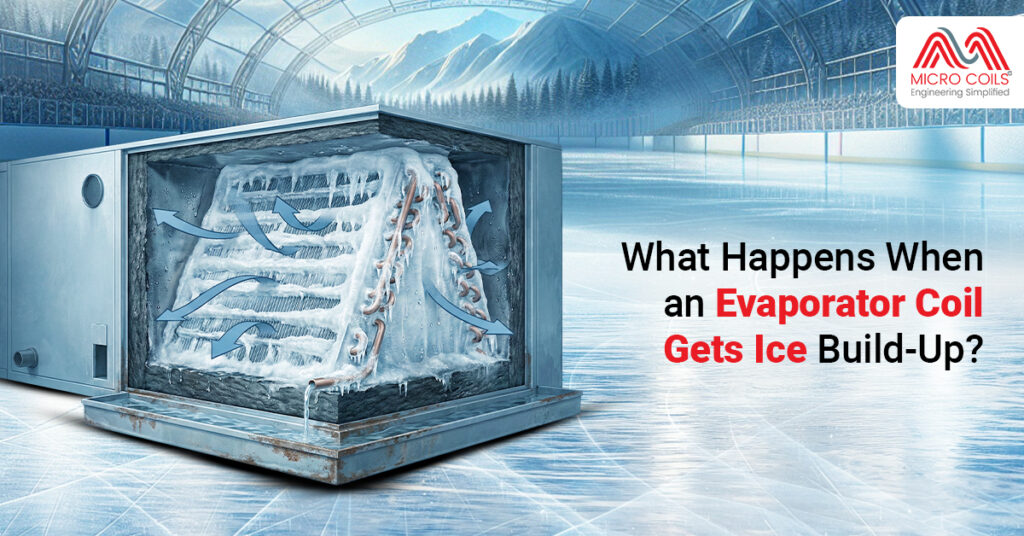
Have you ever noticed ice forming on your air conditioning unit? It might seem strange at first. After all, your AC is supposed to cool your home, so ice seems normal, right? Wrong. Ice buildup on your cooling system is actually a sign that something’s gone wrong. Let’s explore what happens when this occurs and why it matters.
What is an Evaporator Coil?
Your air conditioner works hard to keep you comfortable. At its center sits the evaporator coil (also known as the ac indoor coil), a crucial component that makes cooling possible.. This coil contains refrigerant, a special fluid that absorbs heat from your indoor air. As warm air passes over the coil, the refrigerant inside evaporates and pulls heat away. The result? Cool, comfortable air circulating throughout your home.
Think of it like a cold drink on a hot day. When you hold an icy glass, the cold transfers to your warm hand. Your AC evaporator coil works similarly, except it’s pulling warmth from your entire house. The coil should operate at just the right temperature—cold enough to remove heat, but not so cold that moisture freezes on its surface.
When Things Go Wrong: The Ice Problem
Ice formation starts small. Maybe just a thin layer of frost appears on the coil’s surface. But this can quickly spiral out of control. Before you know it, thick chunks of ice cover the entire coil. This isn’t just a minor inconvenience—it’s a serious problem that can damage your system.
The ice acts like an insulator. It creates a barrier between the coil and the air that needs cooling. Your AC keeps running, working harder and harder, but it can’t do its job properly. The compressor strains. Energy bills climb. Eventually, the entire system might fail.
Why Does Ice Form in the First Place?
Several factors can trigger ice buildup. Understanding these causes helps you prevent problems before they start.
- Restricted airflow is the most common culprit. Your AC needs constant air movement across the coil. When airflow drops, the coil gets too cold. Moisture in the air freezes instantly on contact. What blocks airflow? Dirty air filters top the list. A clogged filter chokes your system. Closed or blocked vents cause similar issues. Even dirty coils themselves can restrict air passage.
- Low refrigerant levels create another pathway to ice formation. When refrigerant leaks out, pressure drops inside the system. This causes the remaining refrigerant to get colder than normal. The refrigeration coils then dip below freezing temperatures. Moisture doesn’t stand a chance—it freezes immediately.
- Thermostat problems can trick your system into running when it shouldn’t. If your thermostat malfunctions, your AC might run continuously, even on cool days. The coil stays active too long without proper cycling. Temperature drops too low. Ice forms.
- Mechanical failures within the system also contribute. A broken blower fan can’t push air properly. Damaged expansion valves fail to regulate refrigerant flow. Even outdoor temperature affects things—running your AC when it’s too cold outside can cause freezing.
The Cascade Effect: What Happens Next?
Once ice begins forming, problems multiply quickly. The initial thin frost layer seems harmless. But ice begets more ice. Here’s how the situation deteriorates.
First, efficiency plummets. Your AC runs constantly but barely cools. The ice blocks heat transfer completely. Warm air blows past without giving up its heat. You feel uncomfortable. Your thermostat demands more cooling. The system works overtime trying to meet that demand.
Second, your energy bills skyrocket. A struggling AC consumes significantly more electricity. It’s running longer cycles. The compressor works under increased strain. All this effort produces minimal results. You’re paying premium prices for substandard cooling.
Third, moisture problems emerge. As ice melts, water goes somewhere. Drain pans overflow. Water drips onto floors. Humidity levels rise inside your home. Mold and mildew find perfect growing conditions. Your indoor air quality suffers.
Fourth, component damage accelerates. The compressor—your system’s most expensive part—faces enormous stress. It’s not designed to operate under these conditions. Prolonged strain shortens its lifespan dramatically. Other parts fail too. Fan motors burn out. Electrical components corrode from moisture exposure.
Signs You’re Developing Ice Problems
Catching ice buildup early saves money and prevents damage. Watch for these warning signs.
- Reduced cooling capacity: Your home stays warmer than usual despite the AC running constantly
- Visible ice or frost: You can actually see ice on the refrigerant lines or coil
- Hissing or bubbling sounds: These indicate refrigerant flow problems
- Water leaks: Melting ice creates puddles around your indoor unit
- Higher utility bills: Unexplained spikes in electricity costs signal efficiency issues
- Long run cycles: Your AC never seems to shut off completely
Don’t ignore these symptoms. They indicate your system needs attention right now.
The Thawing Process: Handle With Care
Discovered ice on your coil? Don’t panic, but don’t ignore it either. Proper thawing matters enormously.
First, turn off your air conditioner immediately. Let it rest. The ice needs time to melt naturally. Resist the urge to chip away ice or apply heat. You’ll damage delicate coil fins or puncture refrigerant lines. Both mistakes cost serious money to repair.
The thawing process takes hours, sometimes a full day. Be patient. Once ice melts completely, address the underlying cause. Otherwise, ice will return.
Preventing Future Ice Buildup
Prevention beats repair every single time. These simple maintenance steps keep your coils ice-free.
- Change air filters regularly: Replace them every 1-3 months depending on usage and household conditions
- Keep vents open and unblocked: Ensure furniture, curtains, or storage items don’t obstruct airflow
- Schedule professional maintenance: Annual tune-ups catch problems before they escalate
- Monitor your system’s performance: Pay attention to unusual sounds, smells, or cooling patterns
- Don’t run AC in cold weather: Most systems shouldn’t operate when outdoor temperatures drop below 60°F
Regular filter changes alone prevent most ice problems. This simple task takes minutes but saves hundreds in repair costs.
The Professional Solution for Ice Buildup in Evaporator Coils
Some ice problems require professional help. Don’t attempt DIY repairs on refrigerant systems. These systems contain pressurized fluids and electrical components. Mistakes can injure you or permanently damage equipment.
Call a qualified HVAC technician when ice appears repeatedly. They’ll diagnose the root cause accurately. Maybe you need refrigerant added. Perhaps the expansion valve needs replacement. The blower motor might be failing. Professionals have tools and training to fix these issues safely.
A good technician will also inspect your entire system. They’ll clean coils thoroughly. They’ll check electrical connections. They’ll verify proper refrigerant pressures. This comprehensive approach ensures lasting results.
The Bottom Line
Ice on your cooling system isn’t normal, pretty, or harmless. It signals that something’s preventing proper operation. The ice blocks heat transfer, forces your system to work harder, drives up energy costs, and risks expensive component damage.
Most ice problems stem from simple issues like dirty filters or blocked vents. Others require professional intervention. Either way, quick action prevents minor problems from becoming major expenses.
Your air conditioner is a significant investment. Protect that investment through awareness and maintenance. Watch for warning signs. Address problems promptly. Keep filters clean. Schedule regular professional service. These simple steps ensure your system delivers reliable, efficient cooling for years to come.
Remember, an ounce of prevention truly is worth a pound of cure. Don’t wait for ice to appear. Take proactive steps today. Your comfort, your wallet, and your air conditioner will thank you.
No, you should avoid running your air conditioner during the thawing period. Turning the system back on before complete melting can cause the ice to refreeze immediately. Additionally, operating your AC with partial ice coverage forces the compressor to work against abnormal pressure conditions, which accelerates wear on internal components. Instead, switch your system to “fan only” mode if you need air circulation. This setting moves air without engaging the cooling cycle, allowing safe ventilation while the coil defrosts naturally.
Many evaporator coils are hidden inside air handler cabinets, making visual inspection difficult. However, you can detect ice through indirect clues. Touch the refrigerant lines running from your outdoor unit—if they feel unusually cold or have condensation dripping off them, ice likely exists on the coil. Another telltale sign is warm air blowing from your vents despite the AC running. You might also notice your outdoor condenser unit sitting idle while the indoor fan continues operating, indicating the system has shut down due to freezing conditions.
The answer depends on how quickly you respond and what caused the freezing. Short-term ice exposure typically causes no permanent harm if you address it promptly. However, prolonged freezing can lead to lasting damage. Extended ice buildup can bend or crack the delicate aluminum fins surrounding the coil, reducing airflow permanently. Continuous operation under frozen conditions may cause compressor failure—a repair that often costs more than replacing the entire unit. Repeated freeze-thaw cycles can also stress copper tubing, eventually creating refrigerant leaks that require extensive repairs.
Many people assume ice forms only when AC systems run too hard during heatwaves, but this is actually a misconception. Extreme heat doesn’t cause ice—in fact, high outdoor temperatures typically prevent freezing because the system cycles more appropriately. Ice formation during hot weather actually suggests your AC has an existing problem that’s now becoming apparent under heavy load. The intense demand reveals issues like insufficient refrigerant, failing components, or airflow restrictions that might not show symptoms during milder conditions. Hot weather ice is often more concerning because it indicates a serious underlying malfunction.
While both systems can develop ice, window units face some unique freezing triggers. Window air conditioners are more susceptible to freezing when outdoor temperatures drop below their operating range, typically around 64°F. They also freeze more easily if positioned incorrectly—tilting too far backward traps condensation that refreezes on the coil. However, both system types share common causes like dirty filters, low refrigerant, and blocked airflow. The repair approach differs slightly since window units are self-contained and often require complete replacement rather than component-level repairs that central systems allow.

