

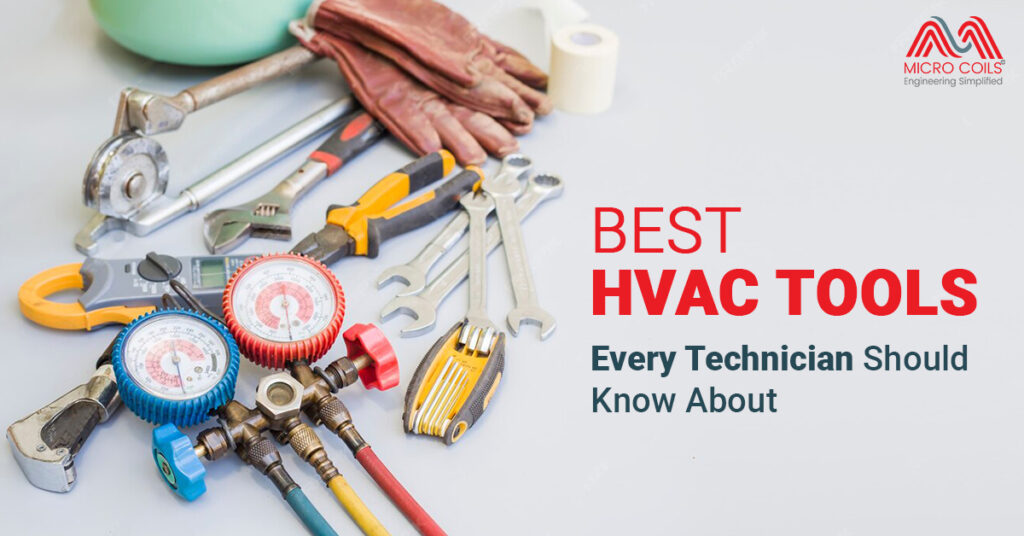
HVAC systems are essential for comfort, safety, and productivity. They regulate temperature, airflow, and indoor air quality across residential and commercial spaces. Behind every efficient system is a technician using the right tools. The quality of tools directly impacts service accuracy and long-term system performance.
HVAC work is technical and hands-on. It involves electrical testing, refrigerant handling, airflow balancing, and mechanical repairs. Each task requires a specific set of tools. Using incorrect or low-quality tools increases risk and reduces efficiency.
This guide explains the most important HVAC technician tools in detail. Each tool is covered under its own header, with clear explanations and real-world relevance. Whether you are new to the field or experienced, this guide helps you understand what truly matters.
Why HVAC Tools Are Critical for Quality Service?
Every HVAC system is built with tight tolerances and specific operating conditions. A small error during installation or servicing can reduce efficiency or cause breakdowns. Tools help technicians follow manufacturer specifications correctly. They also help identify hidden problems before they escalate.
Professional AC technician tools allow technicians to diagnose faults instead of relying on guesswork. This reduces repeat service calls and customer complaints. It also builds trust and credibility. Good tools directly reflect the quality of service delivered.
Recommended Read – Everything You Need to Know About AC Heat Exchangers
Core Hand Tools Used in HVAC Work
HVAC work is practical, technical, and hands-on. While modern systems rely on digital controls and advanced diagnostics, the foundation of every HVAC technician’s job still depends on core hand tools. These tools support installation, maintenance, repairs, and troubleshooting across residential, commercial, and industrial systems. From opening panels to tightening fittings and shaping metal, hand tools are used daily, often under demanding conditions. Understanding these tools and their role is essential for safe, efficient, and accurate HVAC work.
Screwdrivers
Screwdrivers are among the most frequently used tools in HVAC service. Technicians rely on them to open access panels, tighten electrical terminals, secure control boards, and fasten covers. HVAC equipment uses a wide range of screws, which makes variety important. Flathead and Phillips screwdrivers are basic requirements, but systems often include different head sizes and depths.
A good screwdriver should feel balanced in the hand. Insulated handles add safety when working near live electrical components, especially during testing or emergency servicing. Magnetic tips are especially useful because they prevent screws from falling into tight or inaccessible areas inside the unit. Over time, technicians often develop preferences for specific handle shapes or shaft lengths, as comfort directly affects speed and accuracy during long service hours.
Nut Drivers
Nut drivers are essential for removing hex-head screws and fasteners commonly found in HVAC units. These screws are used extensively in panels, brackets, and sheet metal components. Compared to standard screwdrivers, nut drivers provide better grip and faster operation, especially when multiple fasteners need to be removed in sequence.
A typical HVAC technician carries a set with multiple sizes to match different equipment brands and models. Magnetic nut drivers improve efficiency by holding screws securely during removal and reinstallation. In confined spaces where tool switching slows work, nut drivers help technicians maintain momentum and reduce fatigue.
Adjustable Wrenches
Adjustable wrenches are versatile tools used for loosening and tightening nuts, bolts, and fittings. They are especially important when working with refrigerant lines, valves, and pipe connections where fixed-size tools may not always fit.
The ability to adjust the jaw width allows one wrench to handle multiple fastener sizes, which makes it practical for fieldwork. A strong jaw and smooth adjustment mechanism are critical, as poorly made wrenches can slip and damage fittings. Technicians often use two adjustable wrenches together to stabilize one side of a connection while turning the other, reducing stress on pipes and joints.
Pliers
Pliers perform many functions in HVAC work, often beyond their original design. They are used to grip, twist, bend, cut, and pull materials during installation and repairs. Common types include slip-joint pliers, needle-nose pliers, and locking pliers.
Slip-joint pliers are useful for gripping components of varying sizes. Needle-nose pliers help reach small or tight areas, especially when handling wires or clips. Locking pliers, often used as temporary clamps, hold parts firmly in place while adjustments are made. Together, these pliers support precision and control, particularly in confined or awkward spaces.
Wire Cutters and Strippers
Electrical work is a major part of HVAC servicing, which makes wire cutters and strippers essential tools. Technicians use them to cut wires cleanly, strip insulation, and prepare connections for terminals and control boards.
Clean cuts are important because damaged wire strands can cause poor connections or system faults. Adjustable wire strippers allow technicians to work with different wire gauges without damaging the conductor. Many professionals prefer combination tools that integrate cutting and stripping functions, reducing the number of tools needed on the job.
Hammers
Although not used constantly, hammers play a supporting role in HVAC work. They are used to secure mounts, adjust metal components, and gently tap parts into alignment. In some cases, a hammer helps loosen stuck panels or brackets that have seized due to corrosion or age.
A standard claw hammer is common, but some technicians prefer lighter hammers for better control. The key is precision rather than force. Excessive impact can damage equipment, so hammers are used carefully and intentionally.
Measuring Tape
Accuracy matters in HVAC installation, and a measuring tape ensures components are installed correctly. Technicians measure duct lengths, equipment spacing, clearance distances, and mounting positions during system setup.
A durable measuring tape with clear markings saves time and reduces errors. Locking mechanisms allow one-handed operation, which is helpful when working at height or in tight mechanical rooms. Small measurement mistakes can affect airflow, efficiency, and safety, making this simple tool surprisingly important.
Hex Keys and Allen Wrenches
Many HVAC components use hex screws, especially in motors, control panels, and mounting brackets. Hex keys, also known as Allen wrenches, are designed specifically for these fasteners.
They come in different sizes and are available in both metric and standard measurements. A complete set ensures compatibility with various equipment manufacturers. Ball-end hex keys allow access at slight angles, which is useful when straight alignment is not possible.
Utility Knife
A utility knife is a multi-purpose tool used throughout HVAC work. Technicians use it to cut insulation, trim duct liner, open packaging, and score materials during installation.
A sharp blade is essential for clean cuts and safety. Dull blades require more force and increase the risk of slipping. Many technicians carry spare blades and replace them frequently. Compact designs with retractable blades offer better control and safer storage.
Hand Files
Hand files are often overlooked, but they play an important role in finishing work. They are used to smooth sharp edges on metal parts, deburr cut pipes, and refine custom-fitted components.
Smoothing edges reduces injury risk and ensures better-fitting connections. Files are especially useful after cutting sheet metal or copper tubing. Even a few strokes can make a noticeable difference in safety and quality.
Recommended Read – Different Types of Coils in HVAC and Refrigeration Systems
Tool Organization Kits
Many technicians rely on an air conditioner service tool kit for daily tasks. Organized kits support faster diagnostics. Custom layouts improve workflow. Tool management matters.
Building a Complete Tool Setup
A comprehensive list of HVAC tools grows with experience. Beginners start with the basics. Professionals invest in advanced diagnostics. Tool selection reflects job complexity.
A well-planned technician tools list balances quality and necessity. Fewer reliable tools outperform many poor ones. Regular upgrades improve efficiency. Smart investment matters.
Many professionals specialize in using tools for residential work. Reference manuals often include an AC service tools name list. These guides support standardization. Consistency improves service quality.
Modern tools now include digital and smart features. Technology improves accuracy. Staying updated improves competitiveness. Tools shape technician success.
Beginners should focus on basic hand tools, electrical testers, and temperature measuring devices. These tools help handle routine inspections and minor repairs. Starting with essentials builds confidence and skill gradually. Advanced tools can be added as experience grows.
Digital tools offer higher accuracy and easier readings. They reduce human error during diagnostics. However, manual tools are reliable and cost-effective. Many technicians use a combination of both.
Tools should be inspected regularly for wear and damage. Measuring tools need periodic calibration to ensure accuracy. Hand tools last longer when cleaned and stored properly. Replace tools immediately if they affect safety or performance.
Airflow tools help detect blockages and imbalance in ducts. Proper airflow ensures even cooling across spaces. It also reduces noise and energy waste. Balanced airflow improves overall comfort.
Basic tool kits work for many residential tasks. Commercial systems often require additional diagnostic and heavy-duty tools. Technicians usually customize their kits based on job type. Flexibility improves efficiency across projects.

