

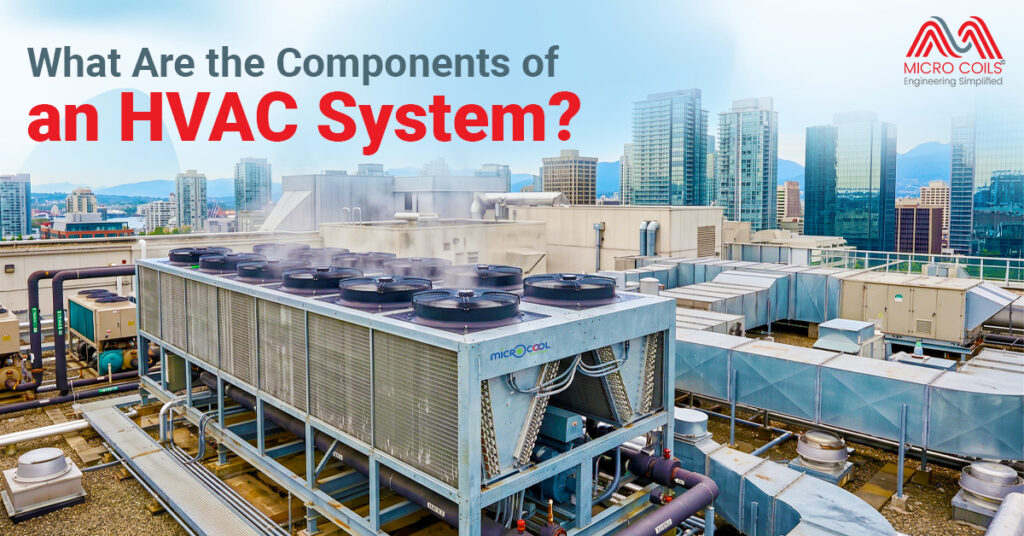
An HVAC system controls indoor temperature, airflow, humidity, and air quality inside a building. The term HVAC stands for heating, ventilation, and air conditioning. These systems are used in homes, offices, hospitals, factories, and commercial spaces. Every component inside the setup performs a specific task that supports overall climate control.
Some parts generate heat, while others remove heat from indoor air. A few components focus only on ventilation and air circulation. Certain systems also include filters, dampers, thermostats, and humidity control units. When all components work together correctly, the system delivers stable indoor comfort throughout the year.
What Is an HVAC System?
An HVAC system controls heating, cooling, ventilation, and indoor air movement inside a building. The name HVAC stands for heating, ventilation, and air conditioning. These systems regulate indoor temperature during changing weather conditions. Homes, offices, factories, hospitals, and retail spaces all depend on HVAC systems for environmental control.
Heating components generate warmth when indoor temperatures drop. Cooling units remove heat and excess humidity from indoor air during warmer months. Ventilation systems circulate fresh air while pushing out stale indoor air, odors, and airborne particles. Without ventilation, indoor spaces can quickly become uncomfortable and poorly ventilated.
Most HVAC systems contain interconnected mechanical and electrical components. Furnaces, compressors, blowers, thermostats, ducts, filters, and cooling coils each perform a different function. Refrigerant moves through the system to support heat transfer during cooling cycles. Sensors and controls monitor temperature and adjust operations automatically when needed.
Airflow management is one of the most important functions of an HVAC setup. Conditioned air must move evenly through ducts and vents to maintain stable room temperatures. Dirty filters, blocked ducts, or damaged components can reduce overall efficiency. Poor maintenance often increases energy consumption and shortens equipment lifespan
Applications of HVAC
- Residential Buildings
HVAC systems maintain comfortable indoor temperatures in houses, apartments, and villas. They also improve indoor air circulation and help control humidity during different seasons. - Commercial Offices
Office buildings use HVAC systems to create stable working conditions for employees and visitors. Proper temperature control also protects electronic equipment from overheating. - Hospitals and Healthcare Facilities
Hospitals require controlled airflow, temperature, and filtration to maintain hygiene standards. HVAC systems help reduce airborne contaminants and support patient safety. - Industrial Facilities
Factories use HVAC systems to regulate temperature around machinery, production lines, and storage areas. Controlled environments help improve operational efficiency and product quality. - Data Centers
Servers generate large amounts of heat during operation. HVAC systems remove excess heat continuously to prevent equipment damage and system failure. - Hotels and Hospitality Spaces
Hotels depend on HVAC systems to maintain guest comfort across rooms, lobbies, restaurants, and conference halls. Consistent airflow also improves indoor freshness. - Shopping Malls and Retail Stores
Large retail spaces require balanced cooling and ventilation due to heavy foot traffic and lighting systems. HVAC systems help maintain comfortable shopping environments. - Educational Institutions
Schools, colleges, and training centers use HVAC systems to improve classroom comfort and indoor air quality. Proper ventilation supports better concentration and learning conditions. - Cold Storage Facilities
HVAC systems help maintain controlled temperatures for food products, medicines, and temperature-sensitive materials. Stable cooling conditions reduce spoilage risks. - Laboratories and Research Centers
Laboratories require precise environmental control for experiments and sensitive equipment. HVAC systems help regulate temperature, humidity, and clean airflow accurately.
Top Components of an HVAC System
Thermostat
The thermostat acts as the control center of the HVAC system. It measures indoor temperature and sends signals to other components. When the room becomes warmer or colder than the set value, the thermostat activates the required function. Modern thermostats often include programmable schedules and smart connectivity features.
Older thermostats relied on manual adjustment and simple mechanical controls. Today, digital models allow users to manage settings remotely through mobile applications. Some advanced units can even study user behavior patterns over time. Accurate thermostat calibration improves efficiency and reduces unnecessary energy consumption.
Furnace
The furnace is responsible for producing heat during colder conditions. It usually operates using natural gas, electricity, or oil depending on the building setup. Once heat is generated, the blower distributes warm air through duct systems. Furnaces are commonly installed in basements, utility rooms, or dedicated service spaces.
Inside the furnace, several smaller components support the heating process. Burners create combustion in gas furnaces, while heat exchangers transfer warmth safely into the airflow. Safety switches and sensors monitor operating conditions continuously. Poor furnace maintenance can reduce efficiency and create uneven indoor heating.
Air Conditioner
The air conditioning unit removes indoor heat and releases it outside the building. It works through a refrigeration cycle that transfers heat instead of generating cold air directly. Refrigerant flows through connected components to absorb and discharge thermal energy. This process allows indoor spaces to remain comfortable during high outdoor temperatures.
One of the important parts inside the cooling process is the evaporator coil. This component absorbs heat from indoor air as refrigerant passes through it. Moisture from the air also condenses around the coil during operation. Clean coils help maintain efficient cooling and consistent airflow across the system.
Condenser Unit
The condenser unit is usually installed outside the building. It releases collected indoor heat into the external environment. Refrigerant enters the condenser in a high-temperature state and cools as air passes over the coil surface. A fan inside the unit improves heat dissipation and supports faster cooling cycles.
The AC condenser coil plays a direct role in heat rejection. Dirt accumulation on the coil surface can reduce thermal transfer efficiency significantly. Restricted airflow forces the HVAC system to work harder than necessary. Regular inspection and cleaning improve cooling performance and extend equipment lifespan.
Air Handler
The air handler manages indoor air circulation throughout the HVAC network. It contains the blower motor, filters, and several airflow-related components. This unit pushes conditioned air into ducts and helps maintain steady room temperatures. In many systems, the air handler works continuously during active heating or cooling cycles.
The AC cooling coil is commonly positioned inside the air handler assembly. As air moves across the coil, heat transfers into the refrigerant flowing inside it. Cooler air then travels through ducts into occupied rooms. Balanced airflow from the air handler improves comfort across different indoor zones.
Ventilation Components
Ventilation supports fresh air movement and removes stale indoor air. Proper ventilation reduces odors, moisture buildup, and airborne contaminants inside buildings. HVAC systems use multiple parts to maintain healthy indoor airflow conditions. Ventilation performance becomes especially important in commercial and industrial environments.
Important ventilation components include:
- Air ducts that transport conditioned air throughout the building
- Exhaust fans that remove stale or humid indoor air
- Air filters that trap dust, pollen, and airborne particles
- Dampers that regulate airflow between different sections
- Fresh air intake vents that introduce outdoor air indoors
Poor ventilation can create discomfort and reduce indoor air quality quickly. Dust accumulation inside ducts may also restrict airflow over time. Regular cleaning and inspection help maintain proper system operation. Balanced ventilation improves occupant comfort and supports healthier indoor environments.
Refrigerant Lines
Refrigerant lines connect indoor and outdoor HVAC components together. These copper tubes transport refrigerant between the evaporator and condenser sections. One line carries low-pressure refrigerant, while the other handles high-pressure flow. Proper insulation around these pipes helps maintain energy efficiency.
Leaks inside refrigerant lines can reduce cooling performance rapidly. Low refrigerant levels force compressors to operate under higher stress conditions. Technicians often inspect these lines during routine maintenance visits. Correct refrigerant pressure is essential for stable HVAC operation.
Air Filters
Air filters capture dust, dirt, pollen, and other airborne contaminants before air circulates indoors. They protect HVAC components from debris buildup and improve indoor air quality. Filters are available in different materials and efficiency ratings. Some advanced systems use high-efficiency filters designed for sensitive environments.
Dirty filters restrict airflow and increase system strain noticeably. Reduced airflow can affect both heating and cooling performance inside the building. Replacing filters at regular intervals helps maintain proper efficiency. Clean filters also support healthier breathing conditions indoors.
Ductwork
Ductwork distributes conditioned air throughout the building. These channels carry warm or cool air from the HVAC unit into different rooms. Proper duct sizing helps maintain balanced airflow and stable temperature control. Poorly designed ducts can create uneven heating and cooling patterns.
Leaks inside duct systems waste energy and reduce system performance. Insulated ducts help prevent heat gain or heat loss during air movement. Technicians often inspect duct joints and seals during maintenance procedures. Efficient duct design improves comfort while lowering operating costs.
Conclusion
An HVAC system depends on multiple components working together in a coordinated manner. Heating units, cooling sections, ventilation parts, and airflow systems each handle different operational tasks. Even a single faulty component can affect overall performance and energy efficiency. Understanding these components helps building owners maintain reliable indoor comfort.
Regular maintenance plays a major role in extending HVAC lifespan. Clean coils, functioning filters, stable refrigerant levels, and balanced airflow improve system efficiency considerably. Modern HVAC systems also support energy savings through smarter controls and advanced monitoring features. A properly maintained setup delivers better comfort, lower operating costs, and healthier indoor air quality.
Most HVAC systems should be serviced at least twice a year. Cooling systems usually require maintenance before summer, while heating systems should be checked before winter. Regular servicing helps detect wear, improve efficiency, and reduce the chances of sudden equipment failure.
Uneven cooling can happen due to blocked vents, dirty filters, leaking ducts, or incorrect thermostat placement. Poor insulation and undersized HVAC equipment may also create temperature imbalance. A professional inspection can identify airflow restrictions and improve indoor comfort consistency.
Grinding, rattling, buzzing, or squealing sounds often indicate mechanical problems inside the system. Loose parts, worn belts, motor issues, or airflow obstructions are common causes. Ignoring unusual noises can lead to larger repairs and reduced system efficiency over time.
Yes, HVAC systems help improve indoor air quality through filtration and ventilation. Air filters capture dust, pollen, and airborne particles before circulation. Some systems also include humidifiers, dehumidifiers, or air purifiers that support cleaner and healthier indoor environments.
Several factors influence HVAC efficiency, including filter condition, insulation quality, thermostat settings, and equipment age. Dirty components and refrigerant issues can also increase energy usage. Proper maintenance and timely upgrades help reduce electricity consumption and improve overall system performance.

