

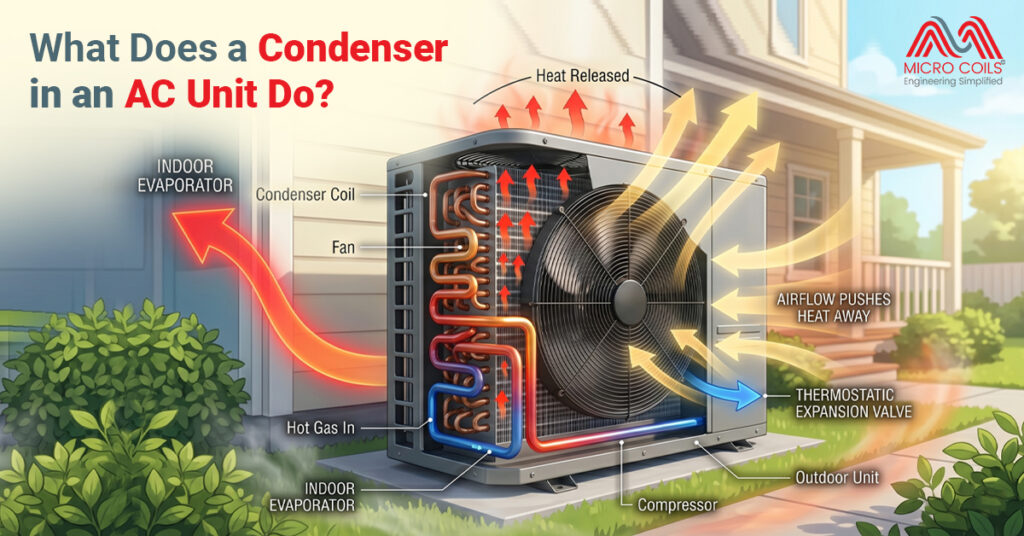
Air conditioners keep homes, offices, and commercial spaces comfortable during hot weather. Most people enjoy the cooling effect without thinking about the components working behind the scenes. One of the most important parts of the system is the condenser. It plays a direct role in removing heat from indoor spaces and maintaining the desired temperature.
Understanding how a condenser works can help homeowners and facility managers make better maintenance decisions. It also makes it easier to identify potential issues before they become costly repairs. While an AC system contains several components, the condenser is one of the key elements responsible for efficient cooling. Learning its function provides a clearer picture of how air conditioning systems operate.The condenser is a component located in the outdoor section of an air conditioning system. Its main job is to release the heat collected from inside the building. Without this heat removal process, the cooling cycle would not be able to continue effectively.
When warm indoor air passes through the system, heat is absorbed and carried by refrigerant. This heated refrigerant then travels to the condenser. The condenser helps transfer that heat into the outside environment, allowing the refrigerant to cool and continue the cycle.
How an Air Conditioner Creates Cooling?
Many people assume an air conditioner generates cold air directly. In reality, the system removes heat from indoor spaces and releases it outdoors. This continuous heat transfer process creates the cooling effect people experience indoors.
Several components work together to achieve this result. The compressor circulates refrigerant through the system. The condenser releases heat, while the indoor cooling section absorbs it. Each component has a specific role, and all must function properly for effective cooling.
The Connection Between the Condenser and Evaporator
The condenser does not work alone. It operates closely with the indoor evaporator coil, which is responsible for absorbing heat from the air inside a building. Together, these components create a continuous refrigeration cycle that supports cooling.
As warm indoor air passes over the evaporator, heat is transferred into the refrigerant. The refrigerant then carries that heat to the condenser outside. Once the heat is released, the refrigerant returns indoors to repeat the process.
Key Components Found in a Condenser Unit
A condenser contains several parts that work together to release heat efficiently. Each component contributes to the overall cooling performance of the system. Understanding these parts can make maintenance and troubleshooting easier.
Below are the major components typically found in a condenser unit:
- Condenser Coil – Transfers heat from the refrigerant to the outside air.
- Condenser Fan – Pulls outdoor air through the coil to improve heat dissipation.
- Compressor – Pressurizes refrigerant and moves it through the cooling cycle.
- Fan Motor – Powers the fan that circulates air across the condenser coil.
- Electrical Controls – Manage system operations and communication between components.
- Refrigerant Lines – Carry refrigerant between indoor and outdoor sections.
- Protective Housing – Shields internal components from weather and debris.
- Capacitor – Helps start and run motors efficiently.
- Contactors and Relays – Control power delivery to various condenser components.
- Safety Devices – Protect the system from overheating and electrical issues.
Each of these components must function correctly to maintain cooling efficiency. A failure in any single part can affect the overall performance of the air conditioning system.
Step-by-Step: How a Condenser Works?
Step 1: Heat Is Absorbed Indoors
Warm indoor air passes over the evaporator coil, where the refrigerant absorbs heat from the air. As it absorbs heat, the refrigerant changes into a low-pressure gas. This process helps cool the indoor space.
Step 2: Refrigerant Moves to the Compressor
The heated refrigerant travels to the compressor located in the outdoor unit. The compressor increases the refrigerant’s pressure and temperature. This prepares it for the heat-release process.
Step 3: Hot Refrigerant Enters the Condenser Coil
The high-pressure, high-temperature refrigerant flows into the condenser coil. At this stage, it carries the heat that was removed from the indoor air. The condenser is now ready to release that heat outdoors.
Step 4: Outdoor Air Flows Across the Coil
The condenser fan pulls outside air through the condenser coil. As air moves across the coil surface, heat transfers from the refrigerant to the surrounding environment. This process cools the refrigerant.
Step 5: Refrigerant Changes Back to Liquid
As heat is released, the refrigerant condenses from a hot gas into a high-pressure liquid. This phase change is what gives the condenser its name. The refrigerant is now ready for the next stage of the cooling cycle.
Step 6: Refrigerant Passes Through the Expansion Device
The liquid refrigerant moves through an expansion valve or similar device. Its pressure drops significantly during this process. The refrigerant becomes much colder as a result.
Step 7: Cooled Refrigerant Returns Indoors
The cold refrigerant flows back to the evaporator coil inside the building. It is now ready to absorb more heat from indoor air. The entire cycle then repeats continuously to maintain the desired temperature.
Why Heat Transfer Matters in Air Conditioning?
Air conditioning systems rely entirely on effective heat transfer. The goal is not to create cold air but to move unwanted heat from one location to another. The condenser plays a crucial role in completing this transfer.
When heat transfer becomes less efficient, cooling performance suffers. The system may run longer while consuming more energy. Proper condenser operation ensures heat is released quickly and effectively.
Environmental conditions can also influence heat transfer. High outdoor temperatures place greater demands on the condenser. This is why maintaining clean condenser coils is important for consistent cooling performance.
Common Types of Condensers Used in HVAC Systems
Different HVAC applications use different condenser designs. The selection depends on system size, cooling requirements, and environmental conditions. Each type offers unique advantages.
- Air-cooled condensers are the most common in residential and small commercial systems. They use outdoor air to remove heat from the refrigerant. Their simple design makes them popular and cost-effective.
- Water-cooled condensers are often found in larger commercial facilities. These systems use water rather than air to remove heat. They can provide higher efficiency under specific operating conditions.
- Evaporative condensers combine air and water cooling methods. They are typically used in industrial settings where high cooling capacity is required. Their design helps improve heat transfer efficiency while reducing energy consumption.
Signs of a Condenser Problem
A malfunctioning condenser can affect the entire air conditioning system. Recognizing early warning signs can help prevent major breakdowns. Timely repairs often reduce long-term maintenance costs.
- One common symptom is reduced cooling performance. Rooms may take longer to cool, or temperatures may remain higher than desired. This often indicates that heat is not being released efficiently.
- Unusual noises coming from the outdoor unit can also signal trouble. Damaged fan motors, loose components, or compressor issues may produce noticeable sounds. Ignoring these symptoms can lead to larger repairs later.
- Higher energy bills may indicate condenser inefficiency. When heat transfer becomes restricted, the system must work harder to achieve the same cooling result. This increased workload often leads to greater electricity consumption.
The Importance of Condenser Maintenance
Routine maintenance helps extend the lifespan of an air conditioning system. It also ensures the condenser continues to operate at peak efficiency. Small maintenance tasks often prevent expensive failures.
Dirt and debris can accumulate on condenser coils over time. This buildup acts as insulation and reduces heat transfer efficiency. Regular cleaning helps maintain proper airflow and cooling performance.
Professional inspections can identify worn components before they fail. Technicians can check refrigerant levels, electrical connections, and moving parts. Preventive maintenance often improves reliability and reduces operating costs.
Homeowners can also support condenser performance through simple actions. Keeping the outdoor unit clear of vegetation allows unrestricted airflow. Adequate airflow is essential for effective heat rejection.
How the Condenser Impacts Energy Efficiency?
The condenser has a direct effect on the energy efficiency of an air conditioning system. Efficient heat transfer reduces the workload on other components. This helps lower electricity consumption and operating costs.
When condenser coils become dirty, the system requires more energy to achieve the same cooling effect. The compressor may run longer, increasing wear and utility expenses. Regular maintenance helps avoid these issues.
Modern condenser designs often include improved coil technology and advanced fan systems. These innovations enhance heat transfer and reduce energy usage. Upgrading older equipment can result in noticeable efficiency improvements.
Understanding the Relationship Between Cooling Coils and the Condenser
Indoor cooling performance depends on the interaction between multiple system components. The AC cooling coil absorbs heat from indoor air, while the condenser releases that heat outdoors. Together, they form the foundation of the refrigeration cycle.
The efficiency of one component affects the performance of the other. If heat is not removed effectively at the condenser, cooling capacity can decline. Balanced operation between these sections is essential for reliable comfort.
Similarly, the AC evaporator coil must remain clean and functional for proper heat absorption. A problem in the indoor section can increase stress on the condenser. Maintaining both components helps ensure long-term system efficiency.
Conclusion
The condenser is one of the most important components in an air conditioning system. Its primary responsibility is to release heat collected from indoor spaces, allowing the cooling cycle to continue. Without an efficient condenser, even the most advanced air conditioning system would struggle to maintain comfortable temperatures.
Understanding how a condenser works helps homeowners, facility managers, and business owners make informed maintenance decisions. Regular inspections, proper cleaning, and timely repairs can significantly improve performance and energy efficiency. By keeping the condenser in good condition, users can enjoy reliable cooling, lower operating costs, and a longer-lasting HVAC system.
Most experts recommend cleaning the condenser at least once or twice a year. However, units exposed to dust, leaves, or pollution may require more frequent cleaning. Regular maintenance helps improve airflow and cooling efficiency.
The system may run briefly, but cooling performance will drop significantly. Without the fan, heat cannot be released effectively from the condenser coil. Continued operation can also lead to compressor damage.
Loud noises can result from loose components, a failing fan motor, debris inside the unit, or compressor issues. Identifying the source early can help prevent more serious and expensive repairs.
A well-maintained condenser can last between 10 and 15 years, and sometimes longer. Factors such as climate, usage patterns, maintenance practices, and installation quality can influence its lifespan.
A dirty condenser coil restricts heat transfer and forces the system to work harder. This can reduce cooling efficiency, increase energy consumption, and place additional strain on critical components.

