

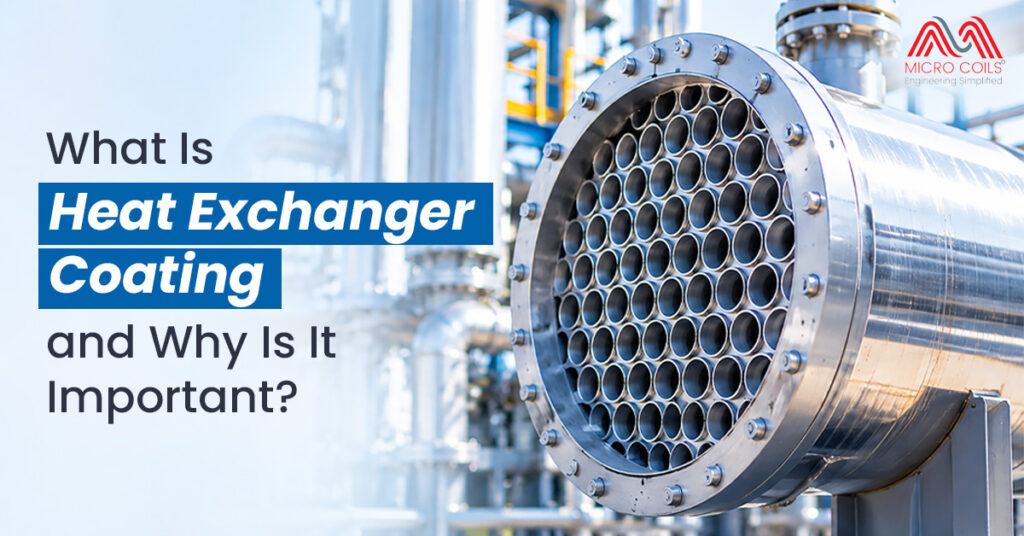
Heat exchangers play an important role in industrial processes by transferring heat between two fluids without mixing them. They are widely used in HVAC systems, chemical processing plants, power generation facilities, oil and gas operations, food processing units, and refrigeration equipment. However, constant exposure to moisture, chemicals, high temperatures, and corrosive substances can damage heat exchanger surfaces over time.
Corrosion, fouling, scaling, and surface degradation can reduce heat transfer efficiency and increase maintenance costs. These problems can also shorten equipment life and lead to unplanned downtime.
This is where coating in heat exchanger applications becomes important. A suitable protective coating creates a barrier between the heat exchanger surface and harmful operating conditions. Depending on the coating material and application, it can help resist corrosion, reduce fouling, improve cleanability, and protect components from premature deterioration.
However, not every coating is suitable for every heat exchanger. The right solution depends on the operating temperature, fluid chemistry, pressure conditions, substrate material, and heat transfer requirements.
In this guide, we explain what heat exchanger coating is, how it works, the different coating types, its benefits, and the factors to consider when selecting a coating for industrial equipment.
What Is Heat Exchanger Coating?
Heat exchanger coating is a protective layer applied to selected surfaces of a heat exchanger to improve their resistance to corrosion, chemical attack, fouling, oxidation, or other forms of degradation. These protective solutions are also relevant to specialised equipment manufactured by pillow plate manufacturers in India, depending on the application.
The coating may be applied to tubes, plates, fins, shells, or other components, depending on the heat exchanger design and the problem that needs to be addressed.
Coating materials vary widely. They may include epoxy-based systems, fluoropolymers, ceramic coatings, metallic coatings, and other specialised surface treatments. Each type offers different properties and performance limits.
For example, an industrial heat exchanger that handles corrosive process fluids may require a chemically resistant coating. An HVAC heat exchanger exposed to humid air and outdoor contaminants may need protection against corrosion and surface degradation. A heat exchanger used in a food processing facility may require a coating that meets relevant food-contact and cleaning requirements.
The primary objective is to protect the equipment while maintaining its intended heat transfer performance.
Why Do Heat Exchangers Need Protective Coatings?
Heat exchangers operate in environments that can gradually damage their surfaces.
Common causes of deterioration include:
- Corrosion: Moisture, salts, acids, and aggressive process fluids can attack metal surfaces.
- Fouling: Deposits of dirt, biological growth, oils, and process residues can accumulate on heat transfer surfaces.
- Scaling: Dissolved minerals in water can form hard deposits that restrict heat transfer.
- Oxidation: High temperatures and exposure to oxygen can degrade certain materials.
- Chemical attack: Incompatible fluids or cleaning chemicals can damage the base material.
- Erosion: High fluid velocities and suspended particles can wear down surfaces in susceptible locations.
A properly selected coating can help address specific risks. However, coatings do not eliminate every cause of deterioration, and they must be compatible with the heat exchanger’s design and operating conditions.
How Does Heat Exchanger Coating Work?
A heat exchanger coating works by modifying the surface exposed to the operating environment. The mechanism depends on the coating material and the intended function.
1. Creates a Protective Barrier
Many coatings form a physical barrier between the base metal and corrosive substances. This limits direct contact with moisture, oxygen, salts, and certain chemicals.
For example, a suitable coating on an exposed metal surface may reduce corrosion caused by humid air or environmental contaminants. The coating must remain intact to provide effective protection.
2. Improves Chemical Resistance
Some coatings are designed to withstand exposure to specific acids, alkalis, solvents, or process chemicals.
The coating protects the underlying material when the chemical and temperature conditions fall within its performance limits. Chemical compatibility must be verified before application because a coating that performs well in one environment may fail in another.
3. Changes Surface Characteristics
Certain coatings create smoother or less adhesive surfaces that can reduce the attachment of contaminants. This may help limit particular types of fouling or make cleaning easier.
However, fouling behaviour depends on several factors, including fluid chemistry, surface temperature, flow velocity, and the nature of the deposits. A coating does not guarantee a fouling-free heat exchanger.
4. Protects Against Oxidation and Wear
Specialised coatings can protect surfaces from oxidation at elevated temperatures or resist wear in applications exposed to abrasive particles.
The appropriate coating must be rated for the expected temperature range, thermal cycling, and mechanical conditions.
5. Supports Heat Exchanger Performance
Clean, corrosion-resistant surfaces can help preserve the equipment’s designed performance over time. If a coating reduces fouling or prevents surface degradation, it may help maintain heat transfer efficiency.
However, coatings also add a layer between the heat transfer surface and the fluid. If that layer has high thermal resistance or is too thick, it can reduce heat transfer. Therefore, coating selection must balance protection with thermal performance.
What Are the Different Types of Heat Exchanger Coatings?
The best coating depends on the equipment material, operating environment, and type of protection required. The following are some common coating categories used in heat exchanger applications.
1. Epoxy Coatings
Epoxy coatings are widely used for corrosion protection in suitable industrial environments. They can provide strong adhesion and form a barrier against moisture and selected chemicals.
Common applications:
- External heat exchanger surfaces
- Selected water-handling equipment
- Industrial components exposed to corrosive environments
- Surfaces requiring chemical-resistant protection
Epoxy systems vary in their chemical and temperature resistance. Standard epoxy coatings may not be suitable for high-temperature service or continuous exposure to certain aggressive chemicals.
2. Fluoropolymer Coatings
Fluoropolymer coatings, including certain PTFE- and PFA-based systems, offer low surface energy, chemical resistance, and non-stick characteristics.
These properties can make them useful in applications where deposit adhesion or chemical attack is a concern.
Common applications:
- Selected chemical processing equipment
- Components exposed to compatible aggressive chemicals
- Surfaces where reduced adhesion is beneficial
- Specialised industrial heat transfer applications
Fluoropolymer coatings require careful consideration of temperature limits, coating thickness, adhesion, and heat transfer resistance. Their use should be based on the specific equipment design and operating conditions.
3. Ceramic Coatings
Ceramic coatings are designed for applications requiring specific thermal, chemical, wear, or oxidation resistance properties.
Depending on the formulation and application method, they can protect selected surfaces from elevated temperatures or harsh operating environments.
Common applications:
- High-temperature industrial components
- Equipment exposed to oxidation
- Surfaces requiring specialised wear resistance
- Certain demanding process environments
Not all ceramic coatings are suitable for heat exchanger service. Their thermal conductivity, thickness, adhesion, and resistance to thermal cycling must be evaluated before use.
4. Metallic Coatings
Metallic coatings use one metal or a metal-based layer to protect the underlying substrate or provide specific surface properties.
Examples include nickel-based coatings and other specialised metallic systems. Zinc coatings are also used for corrosion protection in appropriate applications, although they are not suitable for every heat exchanger operating environment.
Common applications:
- Components requiring corrosion resistance
- Selected industrial heat transfer equipment
- Surfaces exposed to specific chemical or environmental conditions
- Applications where a metallic surface treatment is compatible with the process
The performance of metallic coatings depends on the coating composition, substrate, deposition method, and service environment.
5. Anti-Corrosion Coatings
Anti-corrosion coatings are selected primarily to limit chemical or environmental attack on metal surfaces.
They may use epoxy, polyurethane, fluoropolymer, metallic, or other specialised formulations. The best option depends on whether the surface faces atmospheric moisture, salt exposure, process fluids, or cleaning chemicals.
These coatings are particularly relevant when corrosion could reduce equipment reliability or cause costly repairs.
6. Anti-Fouling Coatings
Anti-fouling coatings are designed to reduce the attachment or accumulation of certain deposits on a surface.
Depending on the application, they may help limit biological growth, mineral deposits, or the adhesion of process residues.
Their effectiveness depends on the type of fouling, water or process chemistry, flow conditions, and cleaning practices. A coating intended for one fouling mechanism may offer little benefit against another.
Why Is Coating in Heat Exchanger Applications Important?
Applying the right coating can provide several operational benefits when the coating is compatible with the equipment and its service conditions.
1. Protects Against Corrosion
Corrosion can weaken heat exchanger components, damage tubes or plates, and increase the risk of leakage. Repairs may require equipment shutdowns and replacement of damaged parts.
A suitable protective coating can reduce exposure to corrosive substances and help preserve the base material.
This is especially important in coastal environments, chemical plants, cooling systems, and industrial facilities where moisture or aggressive chemicals are present.
2. Helps Maintain Heat Transfer Efficiency
Fouling and corrosion can interfere with heat transfer. Deposits create additional thermal resistance, while corrosion can damage the surface and alter its condition.
A coating that reduces a relevant form of fouling or protects the surface from degradation may help preserve heat exchanger performance.
However, the coating itself must be considered part of the heat transfer path. An unsuitable or excessively thick coating can reduce thermal performance, even when it provides excellent corrosion resistance.
3. Reduces Maintenance Requirements
Corrosion and stubborn deposits often require frequent inspections, cleaning, repairs, or component replacement.
A suitable coating may reduce the rate at which certain problems develop. It may also make deposits easier to remove, depending on the coating’s surface properties.
This can help reduce maintenance frequency and the labour required for cleaning. Actual savings depend on the application, coating durability, and maintenance programme.
4. Extends Equipment Service Life
Heat exchanger components can deteriorate when exposed to corrosive fluids, oxidation, and repeated cleaning cycles.
A compatible coating can help protect susceptible surfaces and delay some forms of damage. This may extend service life and reduce the need for premature component replacement.
The coating must still be inspected regularly because scratches, cracks, poor adhesion, or localised coating failure can expose the substrate.
5. Supports Reliable Industrial Operations
Heat exchangers are often critical to temperature control and process stability. A damaged or fouled unit can affect production, energy consumption, and downstream equipment.
Protective coatings can support more reliable operation by reducing certain surface-related risks. When combined with suitable maintenance and monitoring, they may help reduce unplanned downtime.
6. Improves Cleanability
Some coatings create surfaces that are less prone to deposit adhesion. This can make certain contaminants easier to remove during scheduled cleaning.
Improved cleanability may reduce the time required for maintenance and help restore heat transfer performance more effectively.
The benefits depend on the coating, the contaminant, the cleaning method, and the condition of the coated surface.
7. Helps Manage Operating Costs
Corrosion repairs, chemical cleaning, replacement parts, and production interruptions can increase the total cost of operating a heat exchanger.
A coating may help control these expenses when its protective benefits outweigh its initial and ongoing costs.
Businesses should assess the full cost of ownership, including surface preparation, application, inspections, repairs, and the coating’s expected service life.
Which Industries Use Heat Exchanger Coatings?
Heat exchanger coatings are used in several industries, although the coating type and application method differ by operating environment.
HVAC and Refrigeration
Heat exchangers in air conditioning and refrigeration systems can be exposed to moisture, outdoor pollutants, and corrosive atmospheric conditions.
Suitable protective coatings may help protect coils, fins, and other exposed components from corrosion. Some specialised coatings are designed for use in coastal or industrial environments.
Coating selection for HVAC components should account for the heat exchanger material, airflow resistance, condensate drainage, thermal performance, and factors that influence AC coil price.
Chemical Processing
Chemical plants often handle fluids that can attack conventional metals. Depending on the process, protective coatings may provide resistance to selected chemicals and help protect equipment surfaces.
Compatibility testing is essential because chemical concentration, temperature, exposure duration, and cleaning procedures can significantly affect coating performance.
Oil and Gas
Industrial facilities, including those operating a telecom unit, use heat exchangers and cooling equipment to manage process temperatures and support reliable operations.
Coatings may be used to address specific corrosion, oxidation, or wear risks. The selected system must withstand the relevant process conditions and meet applicable industrial requirements.
Power Generation
Power plants use heat exchangers in steam systems, cooling circuits, and other thermal processes.
Protective coatings may help address corrosion and surface degradation in suitable applications. However, the temperature, pressure, water chemistry, and equipment design determine whether a particular coating is appropriate.
Food and Beverage Processing
Food processing equipment requires careful control of hygiene, cleaning, and material compatibility.
Coatings may be used in selected applications where they meet the relevant regulatory and process requirements. Any surface that contacts food or product fluids must use a coating specifically approved for the intended conditions.
Marine and Coastal Applications
Salt-laden air and moisture can accelerate corrosion in heat exchangers installed near the coast or aboard vessels.
Suitable coatings can help protect exposed surfaces, particularly where conventional materials are vulnerable to atmospheric corrosion. Internal surfaces exposed to seawater require separate consideration based on water chemistry, flow velocity, and the risk of erosion or biofouling.
How to Choose the Right Heat Exchanger Coating?
Selecting a coating requires an assessment of the operating environment, equipment design, and expected performance.
1. Identify the Main Problem
Start by identifying the reason for coating the heat exchanger. Is the primary concern corrosion, fouling, oxidation, chemical attack, or wear?
A clear understanding of the problem helps narrow the available coating options.
2. Evaluate Operating Temperature
Every coating has a specified temperature range. Continuous operating temperature, temperature fluctuations, and thermal cycling can affect adhesion and durability.
Select a coating that can withstand both normal operating conditions and expected temperature variations.
3. Check Chemical Compatibility
Review the fluids, cleaning agents, and environmental contaminants that may contact the coating.
The coating supplier should confirm compatibility with the relevant chemicals, their concentrations, and the expected exposure conditions.
4. Consider Heat Transfer Requirements
Thermal conductivity and coating thickness influence heat transfer performance.
A coating should provide the required protection without adding unacceptable thermal resistance. This is especially important for heat exchangers that operate under tight energy-efficiency or heat transfer requirements.
5. Assess the Base Material
Aluminium, copper, stainless steel, carbon steel, and other materials have different surface characteristics and coating requirements.
The coating system must adhere properly to the substrate and remain compatible with its mechanical and thermal behaviour.
Conclusion
Heat exchanger coating is an important surface protection strategy for industrial equipment exposed to corrosion, chemical attack, fouling, oxidation, and wear. The right coating can help protect heat transfer surfaces, improve cleanability, reduce certain maintenance requirements, and support reliable equipment operation.
However, coating selection requires careful consideration of the operating temperature, fluid chemistry, base material, heat transfer requirements, and application method. A coating that works well in one environment may perform poorly in another.
For businesses operating HVAC systems, industrial process equipment, power plants, or chemical processing facilities, the objective should be to select a coating that provides the required protection without compromising thermal performance.
When chosen and applied correctly, heat exchanger coating can form a valuable part of a broader strategy for equipment reliability, maintenance planning, and long-term operating cost control.
Heat exchanger coating is used to protect selected surfaces against corrosion, chemical attack, oxidation, wear, and certain types of fouling. Depending on the application, it may also improve cleanability and help preserve equipment performance.
There is no single best coating for every heat exchanger. Epoxy, fluoropolymer, ceramic, metallic, and other specialised coatings serve different purposes. The right option depends on temperature, chemical exposure, substrate material, fouling conditions, and heat transfer requirements.
A suitable coating may help maintain efficiency by reducing certain types of fouling or protecting heat transfer surfaces from degradation. However, every coating adds some thermal resistance. Its overall effect depends on the material, thickness, surface condition, and operating conditions.
Suitable coatings can reduce corrosion by limiting contact between the base material and corrosive substances. Their effectiveness depends on coating integrity, surface preparation, chemical compatibility, and maintenance. No coating provides universal protection under all conditions.
Service life varies according to the coating formulation, application quality, operating temperature, chemical exposure, cleaning practices, and mechanical wear. The coating manufacturer’s technical specifications and inspection recommendations should guide maintenance and replacement decisions.
Yes, some existing heat exchangers can be coated if the substrate condition, equipment design, and coating requirements permit it. The surface generally needs inspection and preparation before application. In some cases, dismantling or specialist application may be necessary.
Certain coatings can reduce the adhesion of specific deposits or make surfaces easier to clean. However, performance depends on the type of fouling, fluid conditions, surface temperature, and coating characteristics. Coatings do not eliminate all fouling mechanisms.
Yes, specialised coatings are available for selected HVAC coils, particularly where moisture, salt, and environmental contaminants create corrosion risks. The coating must be compatible with the coil material and designed to minimise adverse effects on airflow and heat transfer.

