

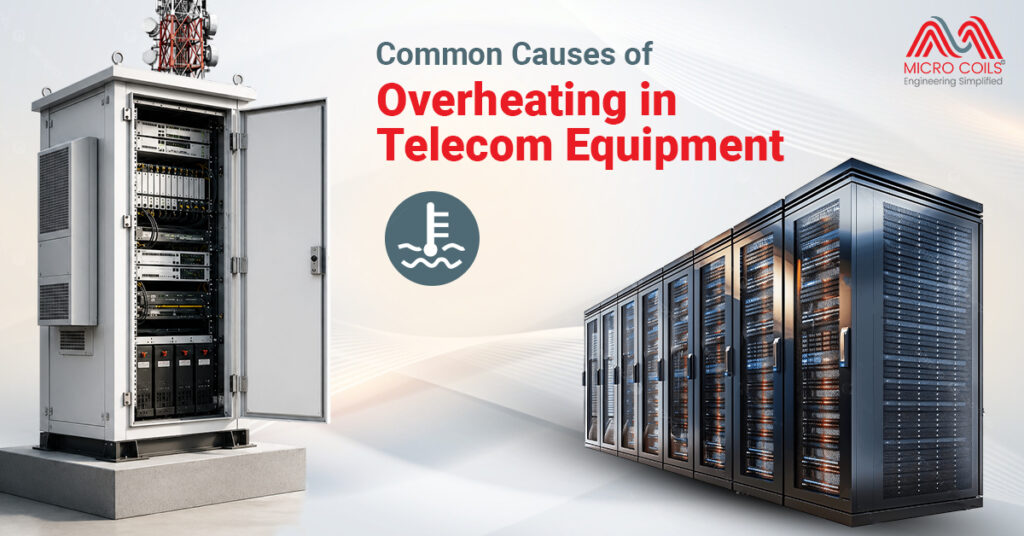
Telecom networks run around the clock, processing enormous volumes of data through equipment that generates significant heat during operation. When this heat is not managed properly, it can lead to slowdowns, hardware failures, and costly network outages. Understanding why overheating happens is the first step toward preventing it. This blog looks at the most common causes behind excess heat in telecom infrastructure and what operators can do about them.
Heat buildup rarely stems from a single issue, since most overheating problems result from a combination of environmental, mechanical, and design related factors. A rack that runs hot in one facility might perform perfectly fine in another with better airflow management. Recognizing these patterns helps network operators diagnose problems faster and avoid repeat failures. The sections below break down the most frequent culprits behind overheating in telecom environments.
Why Overheating is Bad for Telecom Units?
- Reduces Equipment Lifespan
Excessive heat accelerates the aging of electronic components, causing them to wear out faster and shortening the overall lifespan of telecom equipment. - Causes Unexpected System Failures
High operating temperatures can lead to hardware malfunctions, resulting in sudden equipment shutdowns and service interruptions. - Degrades Network Performance
Overheated components may operate inefficiently, causing slower data transmission, signal instability, and reduced network reliability. - Increases Downtime
Equipment failures caused by overheating require repairs or replacements, leading to costly downtime and disrupted communication services. - Raises Energy Consumption
Cooling systems must work harder to remove excess heat, increasing electricity usage and overall operating costs. - Damages Sensitive Electronic Components
Processors, power supplies, batteries, and circuit boards are highly sensitive to heat, making them more prone to permanent damage when temperatures exceed safe limits. - Reduces Battery Performance
Elevated temperatures shorten battery life, decrease backup power capacity, and increase the frequency of battery replacements. - Creates Safety Risks
Severe overheating can increase the risk of electrical faults, insulation damage, and, in extreme cases, fire hazards. - Impacts Signal Quality
Heat-related component degradation can introduce transmission errors, reduce signal strength, and affect overall communication quality. - Increases Maintenance Costs
Frequent overheating leads to more inspections, repairs, replacement parts, and preventive maintenance, increasing long-term operational expenses. - Affects Outdoor Telecom Cabinets
Telecom units installed in harsh outdoor environments are particularly vulnerable to solar heat gain, making effective thermal management essential. - Compromises Business Continuity
Reliable telecom infrastructure is critical for uninterrupted communication. Overheating can disrupt essential services, affecting businesses, emergency operations, and customer satisfaction.
Top Common Causes of Overheating in Telecom Units
Poor Airflow and Ventilation Design
Many telecom cabinets and shelters are installed without adequate consideration for how air actually moves through the space. When equipment is packed too tightly together, hot air has nowhere to escape and simply recirculates around the same components. This trapped heat raises the ambient temperature inside the enclosure well beyond what individual devices are rated to handle. Over time, this constant thermal stress shortens the lifespan of sensitive electronic parts.
Blocked or undersized vents compound this problem further, especially in outdoor cabinets exposed to dust and debris. Filters that are not cleaned regularly can restrict airflow significantly, even when the underlying ventilation design is sound. Cable management also plays a surprising role, since tangled or poorly routed cables can obstruct airflow paths inside a rack. Addressing these physical obstructions is often one of the simplest ways to reduce heat buildup without any major equipment upgrades.
High Equipment Density in Limited Space
As data traffic continues to grow, telecom operators frequently add more equipment into the same physical footprint to maximize capacity. Packing additional servers, routers, and amplifiers into a single telecom unit increases the total heat load generated within that confined space. Without a corresponding increase in cooling capacity, this added density quickly overwhelms the existing thermal management system. Operators often underestimate how much heat scales with equipment count, leading to gradual temperature creep over months of expansion.
This challenge becomes especially pronounced in edge computing deployments, where space constraints limit how much cooling infrastructure can be installed alongside the equipment itself. Smaller shelters and street cabinets simply have less room for large fans or expansive ductwork. As a result, engineers must rely on more compact and efficient cooling methods to keep pace with rising density. Planning for future capacity growth during the initial design phase helps prevent this issue from becoming a recurring problem.
Environmental and Climate Factors
Outdoor telecom cabinets face constant exposure to fluctuating weather conditions that indoor data centers rarely encounter. Direct sunlight on a cabinet’s exterior can raise internal temperatures significantly, even when ambient outdoor air feels relatively mild. Locations in hot climates or areas with limited shade experience this effect most severely, sometimes pushing internal temperatures well above safe operating thresholds. Reflective coatings and proper cabinet placement can help reduce this solar heat gain considerably.
Humidity presents an additional complication, since moisture in the air affects how efficiently cooling systems can dissipate heat. High humidity environments often require different cooling approaches than dry climates to achieve the same thermal performance. Seasonal temperature swings also force cooling systems to work harder during peak summer months, increasing the risk of component failure during the hottest stretches of the year. Operators managing equipment across diverse geographic regions must account for these climate variables when designing their thermal management strategy.
Aging or Malfunctioning Cooling Equipment
Fans, heat exchangers, and air conditioning units all degrade over time, gradually losing their ability to move heat away from sensitive components. Dust accumulation on fan blades reduces their efficiency, while worn bearings can cause fans to slow down or fail entirely without obvious warning signs. Refrigerant leaks in traditional air conditioning systems similarly reduce cooling capacity long before a complete system failure occurs. These gradual declines often go unnoticed until temperatures rise enough to trigger alarms or cause visible equipment damage.
Preventive maintenance schedules help catch these issues before they escalate into major outages. Regular inspection of filters, fans, and refrigerant levels allows technicians to replace worn components proactively rather than reactively. Remote monitoring systems that track temperature trends over time can also flag gradual cooling degradation before it becomes critical. Investing in these monitoring tools often costs far less than the expense of an unplanned network outage caused by equipment failure.
Inadequate Cooling System Design
Some overheating problems trace back to the original cooling system specification rather than any later degradation or damage. Selecting undersized cooling solutions during initial installation leaves little margin for future equipment additions or unexpected heat spikes. This mismatch between cooling capacity and actual thermal load becomes increasingly apparent as networks expand over time. Retrofitting a properly sized system later often costs significantly more than specifying adequate capacity from the start.
Traditional compressor based air conditioning also consumes substantial energy, which raises operating costs across large telecom networks with hundreds or thousands of remote sites. Many operators are now turning to alternative approaches such as adiabatic cooling, which uses the evaporation of water to lower air temperature before it enters the equipment enclosure. This method can significantly reduce energy consumption compared to conventional refrigeration based systems, particularly in climates with lower humidity levels. Evaluating these alternative cooling technologies during system design helps operators balance performance, reliability, and long term operating costs more effectively.
Power Supply and Electrical Inefficiencies
Power conversion equipment inherently generates heat as electricity moves through rectifiers, inverters, and voltage regulators within telecom systems. Inefficient power supplies waste more energy as heat rather than converting it into useful output, adding unnecessary thermal load to the surrounding environment. Aging power components often become less efficient over time, gradually increasing their heat output even without any change in the load they carry. This creeping inefficiency can be difficult to detect without dedicated monitoring equipment tracking power conversion losses.
Overloaded circuits present another electrical contributor to overheating, particularly when equipment draws more current than a power supply was designed to handle. Loose or corroded electrical connections can also generate localized hot spots due to increased resistance at the connection point. Regular thermal imaging inspections help identify these problem areas before they cause equipment failure or fire hazards. Upgrading to higher efficiency power supplies during equipment refresh cycles can meaningfully reduce the overall heat generated within a telecom facility.
Signs of Overheating to Watch For
Recognizing early warning signs allows operators to address thermal issues before they cause serious equipment damage or network downtime.
- Frequent thermal shutdown alarms triggered by network monitoring systems.
- Unusually warm equipment surfaces detected during routine physical inspections.
- Increased fan noise or continuous high speed fan operation without relief.
- Gradual performance degradation or intermittent connectivity issues during peak hours.
Catching these signs early gives maintenance teams time to investigate root causes before equipment reaches critical failure temperatures. Ignoring persistent alarms or unusual noises often leads to more expensive repairs down the line. Establishing clear escalation procedures ensures that thermal warnings receive prompt attention from qualified technicians. Consistent monitoring combined with quick response protocols significantly reduces the risk of heat related outages across a telecom network.
Best Practices for Preventing Overheating
Preventing overheating requires a proactive approach that combines good design, regular maintenance, and ongoing monitoring. Facilities should be designed with adequate spacing between equipment racks to allow proper airflow from the start. Choosing cooling systems sized for both current needs and reasonable future growth prevents the capacity mismatches that often cause problems years later. Scheduling routine inspections of fans, filters, and power components catches minor issues before they escalate into major failures.
Site selection also plays an important role in long term thermal performance, particularly for outdoor cabinets exposed to harsh climates. Positioning equipment away from direct sunlight and ensuring proper drainage around cabinet bases helps minimize environmental stress on the system. Training field technicians to recognize early warning signs during routine visits adds another layer of protection against unexpected failures. Combining these physical and procedural measures creates a more resilient network that can withstand fluctuating conditions without compromising performance.
Conclusion
Overheating in telecom equipment rarely results from a single cause, but rather from a combination of density, environment, aging components, and design choices working together. Understanding these contributing factors helps network operators build more resilient systems capable of handling growing data demands without sacrificing reliability. From improving airflow design to adopting energy efficient cooling technologies, there are practical steps available at every stage of a network’s lifecycle. Staying proactive about thermal management ultimately protects both equipment longevity and the quality of service that telecom networks are expected to deliver.
Most telecom equipment performs best within the manufacturer’s recommended temperature range, typically maintained through proper cooling and ventilation.
Temperature sensors, remote monitoring systems, and thermal alarms can identify rising temperatures before they cause equipment failures.
Base stations, network switches, routers, servers, power supplies, and battery backup systems are particularly sensitive to excessive temperatures.
Yes. Adequate ventilation and unobstructed airflow help dissipate heat efficiently, maintaining stable operating conditions.
Routine inspections should be performed according to the manufacturer’s maintenance schedule to ensure reliable cooling performance and prevent thermal issues.

