

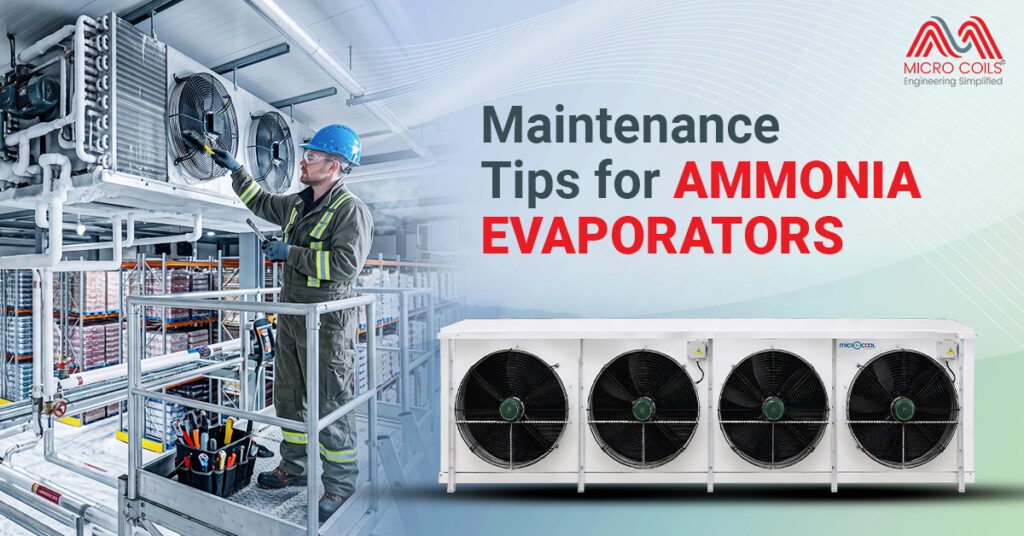
Ammonia evaporators play a critical role in industrial refrigeration systems, particularly in cold storage facilities, food processing plants, warehouses, and large-scale cooling applications. Because ammonia systems often operate continuously under demanding conditions, proper maintenance is essential for maintaining cooling efficiency, reducing energy consumption, preventing unexpected downtime, and extending equipment life.
A well-maintained ammonia evaporator can deliver consistent heat transfer and reliable temperature control. However, issues such as frost buildup, oil accumulation, restricted airflow, damaged components, and poor defrost performance can gradually reduce system efficiency. By following a structured maintenance routine, facility operators can identify potential problems early and keep their refrigeration systems operating at optimal performance.
The Role of an Ammonia Evaporator
An ammonia evaporator absorbs heat from the refrigerated space or product and transfers that heat into the refrigerant. As the ammonia changes state within the system, it removes heat and helps maintain the required temperature. The efficiency of this process depends on proper refrigerant flow, effective heat exchange, and suitable airflow across the heat transfer surfaces.
Because evaporators are exposed to moisture, temperature fluctuations, and continuous operating cycles, regular inspection is necessary. Even a minor buildup of frost or contamination can interfere with heat transfer. Over time, reduced performance may force the entire refrigeration system to work harder to achieve the desired cooling conditions.
Why Is Regular Maintenance Of Ammonia Evaporators Important?
Routine maintenance helps prevent small operational issues from developing into major equipment failures. A poorly maintained evaporator may consume more energy, experience reduced cooling capacity, or create inconsistent temperatures within the refrigerated area. These issues can affect stored products and increase operating costs.
A proactive maintenance strategy also supports better equipment reliability. Instead of waiting for a system breakdown, technicians can inspect critical components, monitor performance trends, and address abnormal conditions early. This approach can reduce emergency repairs and improve the overall lifespan of the refrigeration system.
1. Inspect and Clean Heat Transfer Surfaces
Clean heat transfer surfaces are essential for efficient cooling. Dirt, frost, ice, grease, and other contaminants can create a barrier between the air and the cooling surface, reducing the system’s ability to absorb heat. Regular inspection helps determine whether cleaning or defrosting is required.
The evaporator coil should be kept clean and free from excessive buildup. Maintenance personnel should use cleaning methods suitable for the equipment and facility requirements. Careless cleaning can damage fins or other sensitive components, so manufacturer recommendations and approved maintenance procedures should always be followed.
2. Monitor Frost and Ice Buildup
Frost is a common issue in refrigeration environments, especially where moisture enters the refrigerated space through doors, product loading, or humid air. A thin layer of frost may appear normal during operation, but excessive ice buildup can block airflow and significantly reduce heat transfer efficiency.
Regularly inspect the evaporator for uneven or excessive frost patterns. If ice accumulates repeatedly, investigate the underlying cause rather than simply removing it. Problems with door seals, defrost controls, drainage systems, or airflow may contribute to recurring frost issues.
3. Maintain an Effective Defrost System
The defrost system is responsible for removing accumulated frost and ice from the evaporator. If it does not operate correctly, ice can gradually cover the heat transfer surfaces and restrict airflow. This can reduce cooling capacity and increase the workload on other refrigeration components.
Check defrost schedules, controls, sensors, valves, and related components regularly. The system should provide sufficient defrosting without running unnecessary cycles that waste energy. Reviewing actual frost conditions can help operators determine whether the existing defrost settings are appropriate for the facility’s operating conditions.
4. Check Airflow and Fan Performance
Proper airflow is essential for efficient heat exchange. Fans move air across the evaporator and distribute cooled air throughout the refrigerated space. Restricted airflow can create uneven temperatures and prevent the system from delivering its full cooling capacity.
Inspect fan blades, motors, guards, and mounting components for dirt, vibration, damage, or unusual noise. Air passages should also remain clear of packaging, stored products, and ice buildup. Maintaining proper clearance around the equipment can improve air circulation and support consistent cooling performance.
5. Inspect Refrigerant Flow and System Performance
Ammonia refrigeration systems require stable operating conditions to function efficiently. Changes in pressure, temperature, refrigerant flow, or superheat may indicate an underlying issue that requires professional evaluation. Monitoring these parameters can help technicians identify performance problems before they result in significant downtime.
Operators should establish normal operating ranges and investigate unusual trends. Sudden changes may be associated with control issues, restrictions, improper refrigerant distribution, or other system faults. Because ammonia is a hazardous refrigerant, inspections and servicing should only be performed by trained and qualified personnel following applicable safety procedures.
6. Check for Oil Accumulation
Oil management is an important aspect of ammonia refrigeration maintenance. Excessive oil accumulation within an evaporator can interfere with heat transfer and reduce cooling efficiency. Over time, this may lead to increased energy use and reduced system capacity.
Regular inspections can help identify signs of oil-related performance issues. The appropriate oil return and separation systems should also be checked as part of the overall maintenance program. Correcting the source of excessive oil carryover is important for preventing the problem from repeatedly affecting evaporator performance.
7. Inspect Drain Pans and Drainage Systems
Blocked or poorly functioning drains can cause water accumulation, ice formation, and sanitation concerns. In low-temperature environments, drainage problems can quickly lead to frozen drain lines and additional frost around the evaporator.
Inspect drain pans, lines, traps, and related components regularly. Remove debris and check for proper water flow during and after defrost cycles. Maintaining an effective drainage system helps prevent excess moisture from remaining around the refrigeration equipment.
8. Monitor Temperature and Pressure Readings
Temperature and pressure readings provide valuable information about the condition of the refrigeration system. Consistent monitoring can reveal gradual performance changes that may not be immediately visible during a routine inspection.
Record important operating data and compare current readings with established baseline values. A trend toward abnormal temperatures or pressures can indicate the need for further inspection. Digital monitoring systems can also help facilities track performance and identify irregularities over time.
9. Inspect Electrical Components and Controls
Electrical components and control systems are essential for safe and reliable evaporator operation. Loose connections, damaged wiring, faulty sensors, or malfunctioning controls can affect defrost cycles, fan operation, temperature management, and overall system performance.
Qualified technicians should inspect electrical panels and control components according to the facility’s maintenance schedule. Any signs of overheating, corrosion, vibration damage, or inconsistent operation should be addressed promptly to reduce the risk of unexpected equipment failure.
10. Keep the Surrounding Area Clean
The environment around the evaporator can directly affect maintenance access and equipment performance. Obstructions may restrict airflow, while excessive dust, debris, or moisture can contribute to operational and sanitation problems.
Maintain clear access around the equipment so technicians can perform inspections safely and efficiently. Good housekeeping also makes it easier to identify leaks, unusual frost patterns, water accumulation, or physical damage during routine checks.
Key Maintenance Tips for Ammonia Evaporators
A successful maintenance program should combine regular inspections with performance monitoring and preventive servicing. The following practices can help improve reliability:
- Follow a scheduled inspection routine: Establish daily, weekly, monthly, and periodic maintenance tasks based on equipment usage and manufacturer recommendations.
- Monitor frost patterns: Uneven or excessive frost can indicate airflow, defrost, drainage, or refrigerant distribution issues.
- Keep heat transfer surfaces clean: Remove approved contaminants and avoid damaging fins or other sensitive parts during cleaning.
- Check fan operation: Listen for unusual noise, inspect for vibration, and ensure fans provide adequate airflow.
- Inspect drainage regularly: Clear blocked drains and confirm proper water removal during defrost cycles.
- Track system performance: Record temperature, pressure, and other key operating data to identify developing problems.
- Review defrost efficiency: Ensure defrost cycles remove frost effectively without unnecessarily increasing energy consumption.
- Inspect controls and sensors: Verify that temperature controls, defrost controls, and monitoring devices are functioning correctly.
- Address oil management issues: Investigate excessive oil accumulation that may reduce heat transfer efficiency.
- Prioritize professional servicing: Ammonia systems should be maintained and repaired by properly trained personnel following applicable safety requirements.
11. Watch for Signs of Refrigerant Leaks
Refrigerant leaks can affect both system performance and workplace safety. A reduction in refrigerant charge or an abnormal system condition may result in reduced cooling capacity and operational instability.
Any suspected ammonia leak should be treated as a serious safety concern and handled according to the facility’s emergency procedures. Personnel should not attempt unauthorized repairs. Proper detection systems, inspection procedures, and trained technicians are essential parts of a safe ammonia refrigeration maintenance program.
12. Maintain Condensing and Cooling Components
Although the evaporator is a key part of the refrigeration process, its performance is also connected to the condition of other system components. Problems elsewhere in the system can affect pressures, temperatures, and overall cooling efficiency.
For example, maintenance of the AC condenser coil and related heat rejection components can support stable system operation. Similarly, keeping the AC cooling coil and associated airflow paths clean helps maintain effective heat transfer in applicable cooling equipment.
13. Train Staff on Routine Inspection Procedures
Not every maintenance task requires major servicing, but staff members should understand what normal equipment operation looks like. Operators who regularly work around refrigeration equipment can often identify unusual sounds, temperature changes, excessive frost, or water accumulation before a major problem develops.
Training should clearly define which checks can be performed by facility personnel and which tasks require qualified refrigeration technicians. Proper reporting procedures can also ensure that unusual conditions are documented and investigated without delay.
14. Create a Preventive Maintenance Schedule
A preventive maintenance schedule helps ensure that essential tasks are not overlooked. Instead of relying on reactive repairs, facilities can assign regular inspection intervals and maintain records of completed work.
The schedule should be based on equipment type, operating hours, environmental conditions, manufacturer recommendations, and regulatory requirements. Maintenance records can also help technicians identify recurring issues and determine whether equipment performance is improving or declining over time.
Common Mistakes to Avoid During Ammonia Evaporator Maintenance
One common mistake is waiting until cooling performance drops significantly before performing maintenance. By that stage, frost buildup, airflow restrictions, or component wear may already be affecting the entire refrigeration system.
Another mistake is using improper cleaning methods or allowing unqualified personnel to service ammonia-related components. Since ammonia refrigeration systems involve specific operational and safety considerations, maintenance procedures should be carefully planned and carried out by appropriately trained professionals.
Final Thoughts
Regular maintenance is essential for keeping ammonia evaporators efficient, reliable, and safe. From monitoring frost and airflow to maintaining defrost systems and inspecting drainage, each maintenance task contributes to better heat transfer and more consistent refrigeration performance.
A proactive approach can help reduce energy waste, prevent unexpected downtime, and extend equipment life. By following a structured maintenance schedule and ensuring that qualified professionals handle ammonia system servicing, businesses can maintain dependable cooling performance while supporting safer and more efficient operations.
The servicing frequency depends on the operating environment, system workload, and manufacturer recommendations. Routine visual checks should be performed regularly, while detailed inspections and professional servicing should be scheduled periodically to identify wear, buildup, control issues, and other potential problems.
Common warning signs include uneven cooling, excessive frost, unusual fan noise, rising energy consumption, unstable temperatures, and reduced refrigeration capacity. A sudden change in normal operating pressure or temperature can also indicate that the system needs professional inspection.
Keeping heat transfer surfaces clean, maintaining proper airflow, optimizing defrost cycles, checking refrigerant flow, and monitoring operating conditions can improve overall efficiency. Regular preventive maintenance is generally more effective than waiting for a cooling problem to cause a system shutdown.
Excessive frost can result from high moisture levels, frequent door opening, damaged door seals, inadequate defrosting, restricted airflow, or incorrect operating conditions. Identifying the underlying cause is important because repeatedly removing the frost without addressing the source will not solve the problem.
Maintenance involving ammonia, refrigerant circuits, pressure systems, or specialized components should be handled by trained and qualified refrigeration professionals. Facility staff can perform appropriate routine observations and report abnormalities, but suspected leaks or technical faults require proper safety procedures and professional intervention.

